Showing posts with label production. Show all posts

Monday, September 28, 2020

H&M - Successful Retail Clothing!


Hi, I'm Saradha Preethi. A final year MBA student from Amrita School of Business. Welcome back to my Logistics & Supply chain learning space.😇 

H&M stands out for selling fashionable, trendy types of clothes and quick-change accessories. H&M guarantees the best consumer offering in every market by holding the right pieces of stock in every store that you want. Best tailored to the needs of the consumer. H&M aims to offer a wide selection of products that inspires consumers to browse and buy passionately.


H&M manages every stage of its supply chain as an importer, wholesaler and retailer. The ongoing production of IT provides excellent support for H&M logistics. Transportation is subject to a deal with third parties, while H&M manages stock control manually. The bulk of the flow of goods is diverted and transmitted through its terminal in Hamburg, Germany, and then distributed to various distribution centres in different countries. When products arrive at these sites, they are inspected and assigned either to the store or to a centralised storage room called "call off warehouse".

H&M fosters close and successful interaction with its suppliers by strategically positioning 30 production oversight offices as a mediating role and fostering contact with partner companies on the latest fashion trends and internal issues of the business. This helps to ensure that the products are delivered at an accurate price and quality and that the suppliers comply with the company's code of conduct. These production offices have a major role to play in the inspection and examination of sample apparel.


H&M - Design
  • The collection is designed centrally by the purchasing design department.
  • Trying to find the balance between viable and latest deisgns.
  • Inspiration of designs came from the trends.
  • The collection in collaboration with renewed designer.
  • Analysis of styles and designer of previous year.
H&M - Production
  • 60% of the items are produced in Asia.
  • European suppliers are for fashion sensitive clothes.
  • The suppliers are selected on efficiency and working conditions.
  • Flexible purchasing.
  • Economy of scale.
H&M - Distribution
  • Cost - effective mode of transportation (ships, trains).
  • Central and local distribution centers.
  • Best available location for stores.
  • Huge number of stores around the world.
So, you got it there! A short but potentially very informative tour of one of the world's largest fashion retailers' strategic backend systems. If you're ever trying to conquer the fashion retail industry (or maybe just set up a cosy e-commerce retail store), it may be ideal for you to follow in the footsteps of the popular H&M.

Reference:


Happy Learning with Sara :)


Sunday, September 6, 2020

The supply chain of vaccines


Since its discovery in December 2019, the COVID-19 pandemic is responsible for more than 26.9 M confirmed infections and over 880 K deaths. A vital race is on as humanity begins to adapt its response to the epidemic–a race to find, develop and deliver a potentially life-saving vaccine.

In order for a vaccine to successfully minimize or eradicate an infectious disease, the supply chain must function optimally to fulfill vital demand areas while still maintaining vaccine viability.

There are several factors that make a vaccine supply chain unique:

  • The Cold Chain: Most vaccines must be transported and stored in a constant cold chain of temperatures ranging from two to eight degrees Celsius – from manufacturing all the way through to the immunization of a patient. This places a strain on the delivery, particularly in the last mile, when vaccines are distributed to remote populations in countries with limited infrastructure and electricity.
  • Packaging: Decisions around single syringes versus multi-dose vials affect supply chain capacity.
  • Ancillary Products: Glass vials, stoppers, needles, syringes, raw materials, and more are all needed for successful administration of the vaccine.
  • Production Planning: The long production timelines and short shelf-lives require a combination of accurate demand forecasting and agile product planning.

Restricted storage capacity, particularly within the cold chain, can lead to waste if the inventory and need exceed the ability of the supply chain to transport a vaccine continuously from source to final destination. But limited storage space can also be offset in a health facility or warehouse by adjusting delivery frequency, direction, mode of transportation, or even facilitating vaccine distribution.

Saturday, August 29, 2020

Supply Chain of Honey


 The Amazing Supply Chain of Honey


Hello Readers! This is Saradha Preethi, Happy Welcoming you all to my 5th week of Supply Chain Blog. To make it sweeter, this week's Blog is all about "The Supply Chain of Honey"😇😎

It's hard to tell just how long honey has been around for. Some estimates suggest that honey bees have been on the earth for around 40 million years, although there are estimates that assert that there are honey bee fossils dating back 150 million years. However, the early records of beekeeping and human consumption of honey are seen in prehistoric cave paintings in Spain, believed to date back to 7000 BC.

Honey Production

The Bees:

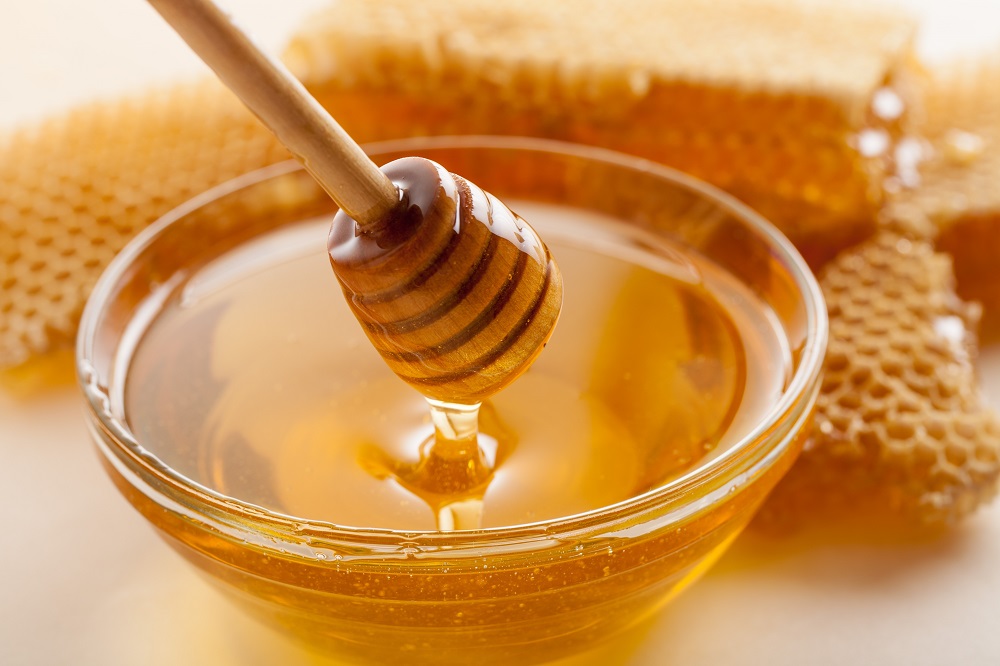
The most important workers in the honey supply chain. Worker bees collect nectar from plants and store it in a bag, which is essentially a second stomach. Stored honey is mixed with enzymes that change its chemical composition and PH so that it can be stored longer. The bee returns to the hive to begin the regurgitation process, where the nectar is transferred from bee to bee until it is broken down into simple sugars. The nectar, partly digested, is then stored in honeycombs. The water in the substance must be evaporated in order to complete the process, so as to make it easier for the bees to fan the honeycomb with their wings. When enough water has evaporated, the bees cover the honeycomb with a liquid that solidifies into the beeswax.

Removal:

For decades, the only way to successfully extract honey from the beehive was to destroy the bees inside. Fortunately, in 1851, the American beekeeper invented a more humane process, using removable honeycomb frames. This system approach is still being used today.

There are a few methods for extracting honeycomb frames: the more common approach is to cut individual frames and shake and gently brush the bees at the entrance to the hive. However, this is very time-consuming and not the best way for beekeepers or bees. Today, the most widely used method is a bee escape/separator board method. The beekeeper places a board between the chamber of honey and the chamber of the brood. When the bees realize that they have been separated from their queen, they immediately pass through the exit of the frame into the brood chamber. Once done, however, they no longer have access to the honey chamber. In addition, beekeepers can use smoke or fumes to repel or calm the bees.

Uncapping & Extraction:

The beekeeper can choose to remove the beeswax caps by hand with a fork or a heated blade, but uncapping machines may also be used – although this is more common in mass production

Honey can be extracted using either a manual 'crush and strain' process or an extractor system. The extractor machine is a large metal drum that uses centrifugal force to extract the honey. It spins the honeycomb until all the honey is pushed out and falls to the floor. The honey passes through the spigot and the sieves are used to clean out any wax particles and debris.

Processing & Bottling:

Most of the honey that we buy in the shops is handled by a commercial distributor. Honey is heated to 120 degrees Fahrenheit (48.9 ° C) to melt crystals and then flashes to 165 ° F (73.9 ° C) to cool the honey back down before bottling. The phase lasts approximately 7 seconds. Some of the beneficial properties of honey have been lost during processing.

Honey Fraud & Supply Chain Transparency:

The honey supply chain is especially vulnerable to fraudulent activities, mainly due to a lack of accountability in the world. According to the European study, honey is the sixth most fake food in Europe. Forms of honey fraud include: marketing cheap multifloral honey as single-source honey at a higher price, adding sugar syrups to increase product volume, and unripe honey production using artificial evaporation. The unripe production method is popular in China, and although illegal in the EU, Chinese honey accounts for the majority of EU imports of honey. Honey is routinely tested for validity, bulking agents, and suspected antibiotics. But testing has become more difficult as fraudsters have begun using syrups such as rice and beet, which can be undetected using the traditional C4 adulteration test.

Happy Learning with Sara!😇


Supply Chain Dominance of China

Supply Chain Dominance of China A “Made in China” label has always been problematic in the U.S. In the early years of globalization, compani...